

Report: Republican Farm Bill Would Penalize Connecticut Farmers


Federal House Republicans passed the “Save Our Bacon Act” as part of their farm bill, which would bar states from setting animal welfare and production standards for livestock sold across state lines
Connecticut farmers who have invested in humane and sustainable practices could be undercut by products raised under cheaper industrial confinement conditions if the bill becomes law
A Harvard Law School report analyzing the bill found it could nullify more than 600 state laws, including food safety and disease protections that safeguard Connecticut’s farms and food supply
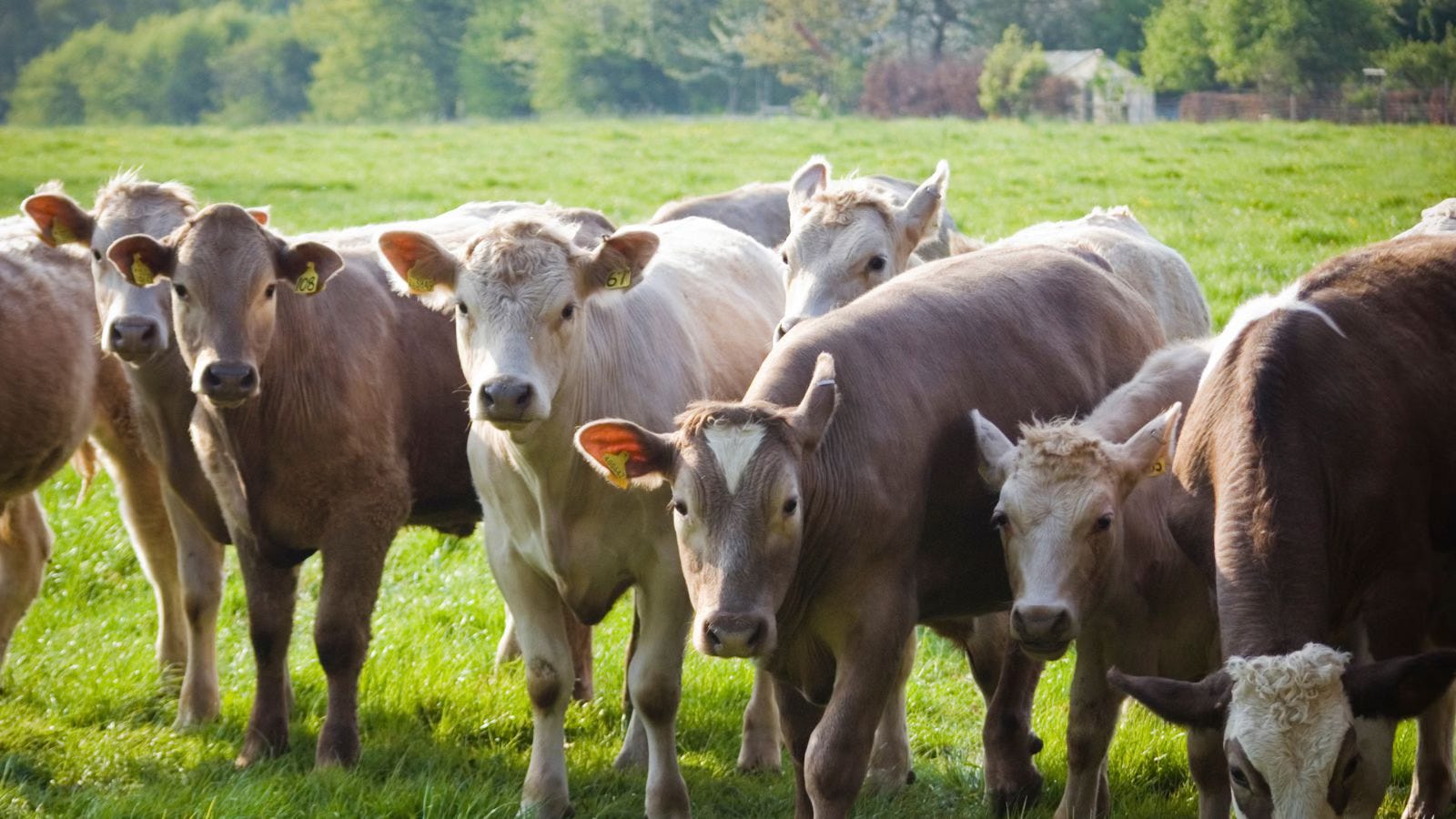
Federal House Republicans passed legislation that would forbid Connecticut and every other state from setting its own standards for how farm animals are raised, a move critics said would penalize the Connecticut farmers who chose humane and sustainable practices over cheaper industrial alternatives.
The bill, H.R. 4673, known as the “Save Our Bacon Act,” cleared the House as part of Republicans’ farm bill and now awaits Senate action, according to Stateline.
If enacted, it would establish a federal right for livestock producers to sell their products across state lines without having to meet the welfare or production standards of the states where those products are sold, Stateline found.
For Connecticut farmers who built their operations around higher animal welfare standards, the legislation would effectively open their market to competing with meat and dairy products raised under the intensive confinement conditions common to large industrial agricultural operations — at costs Connecticut farmers chose not to match.
The Harvard Law School Animal Law and Policy Program, in a detailed analysis of the bill, found it “would undermine investments that producers have already made in sustainable and humane practices” and “would disadvantage family farmers who are less likely to use intensive confinement systems, as well as local farmers in states that impose higher in-state production standards.”
The bill’s reach would extend beyond animal welfare. The Harvard analysis found the legislation’s broadly drafted language could nullify more than 600 existing state laws, including food safety standards governing dairy products, restrictions on disease-carrying livestock entering a state’s borders, and protections designed to prevent the spread of threats like avian influenza and New World screwworm — areas where Connecticut maintains its own importation requirements.
The bill traces its origins to more than a decade of congressional efforts, primarily led by Iowa Republicans, to block California from enforcing Proposition 12, which set minimum space requirements for egg-laying hens, breeding pigs, and veal calves, according to Stateline.
After the U.S. Supreme Court upheld Prop 12’s constitutionality in 2023 and turned away a second legal challenge in June 2025, House Republicans moved to accomplish through legislation what multiple court challenges had failed to deliver.
The Harvard analysis described H.R. 4673 as “an attempt to achieve through federal legislation what the opponents of Prop 12 and similar legislation could not achieve at the Supreme Court.”
By Kevin Coughlin