

In Focus: How Republican Tariffs are Starving American Food Systems
Part 3 of Capitol Dispatch's ongoing 'In Focus' series on Affordability

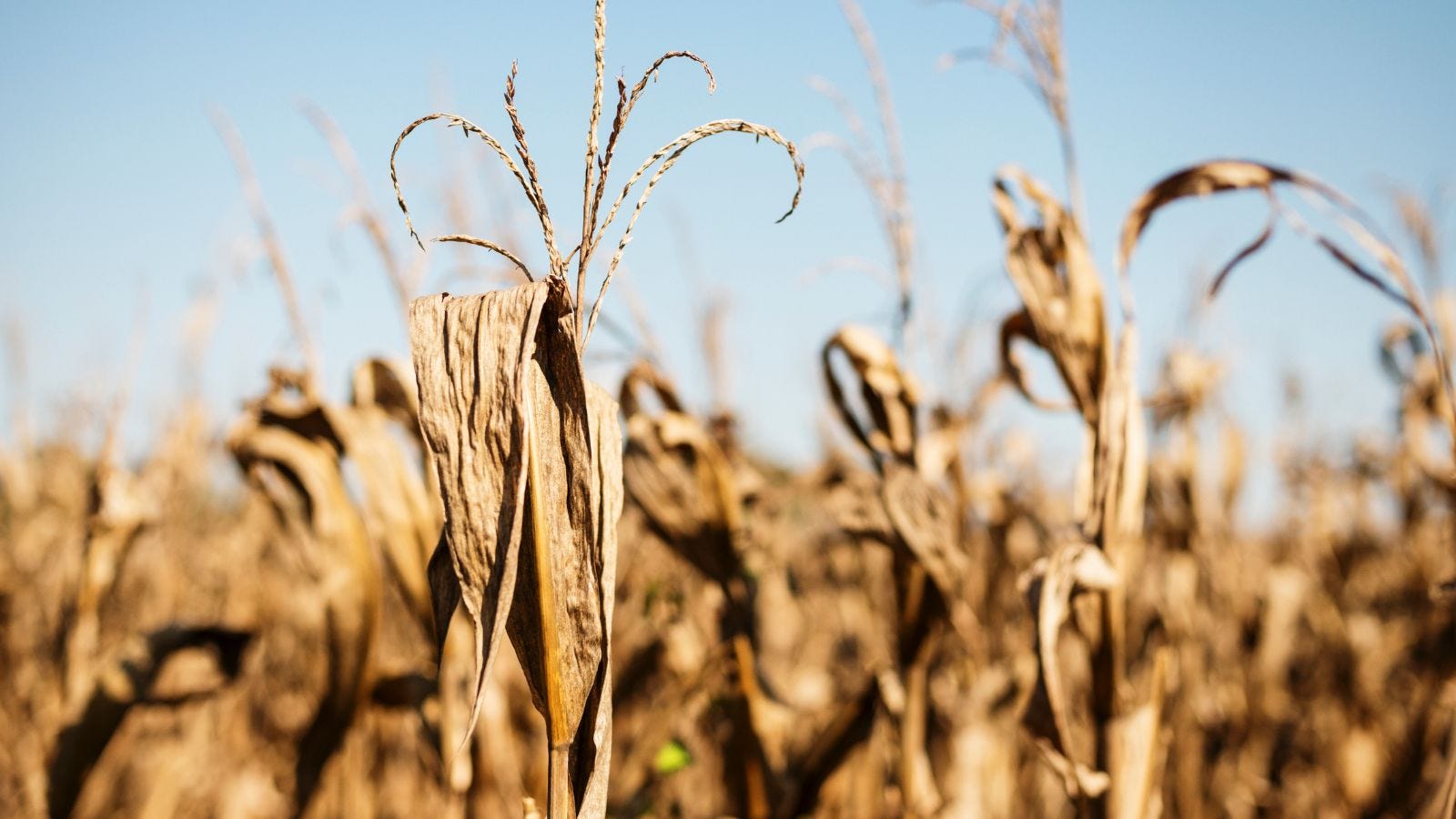
Americans are experiencing higher prices nearly everywhere they turn. One area where consumers are feeling high costs the most is at meal time, while national and local food systems are facing pressures from all angles. From the grocery store, to restaurants to farmers markets, prices continue to soar, largely due to President Trump’s tariff policies.
While Donald Trump campaigned on lowering prices, grocery costs continue to climb and American shoppers are feeling the effects. Based on a survey from July 2025 by the Associated Press and NORC, respondents expressed the cost of groceries is a major stressor for Americans, more so than rent, healthcare or student loans. Costs of imported goods like coffee and bananas have increased significantly, but locally costs at your neighborhood restaurant or farmers markets are going up as well.
Restaurants are facing much of the same pressures as households, with a 5% increase in wholesale food costs since last year. An industry that operates on thin margins has little room to eat those costs, and according to the USDA, food prices have risen almost 25% between 2020 and 2025. Goods like coffee, wine, pork and beef are among those most impacted by tariffs.
While the tariffs may intend to encourage restaurants, wholesalers and individual consumers to buy more American grown products, farmers across the U.S. are also struggling to keep up with rising costs due to tariffs and inflation.
Retaliatory tariffs from China, the E.U. and Mexico are causing enormous decreases in exports for large scale producers of American soya beans and pork.
Late last year, the Trump administration announced a $12 billion package to mitigate some of the damage his own tariff policies have inflicted on farmers, but that is hardly enough to make them whole. According to the American Farm Bureau, in 2025 U.S. crop farmers lost $34.6 billion.
And it’s not just large scale farmers who are getting hurt - tariffs are increasing the cost of necessary items like fertilizer and farm equipment. Smaller farmers are a critical piece of the local food supply network, and they too are experiencing unsustainable budget pressures created by Trump’s tariff wars and runaway inflation. Farmers are being forced to either scale back production or raise their prices, and Americans consumers continue to pay the cost of federal economic policy.
The U.S. food system provides not only a basic need for Americans, but also represents a once thriving industry that is buckling under the pressures created by President Trump’s failing economic policies. Connecticut families are getting sticker shock at the grocery store and at restaurants. Restaurants, local grocers and farmers are seeing their bottom line shrink while struggling to keep operations afloat.
By Garnet McLaughlin
Check out our previous entries in Capitol Dispatch’s ongoing ‘In Focus’ series on Affordability:
-Part 1: Trump’s Tariffs Drive Up Prices for Holiday Gifts and Groceries
-Part 2: Trump’s Affordability Crisis Forces Middle Class Families to Take on Debt