

In Focus: How Republican Medicaid Changes Are Hurting Connecticut Residents
Part 2 of Capitol Dispatch's ongoing 'In Focus' series on Health Care

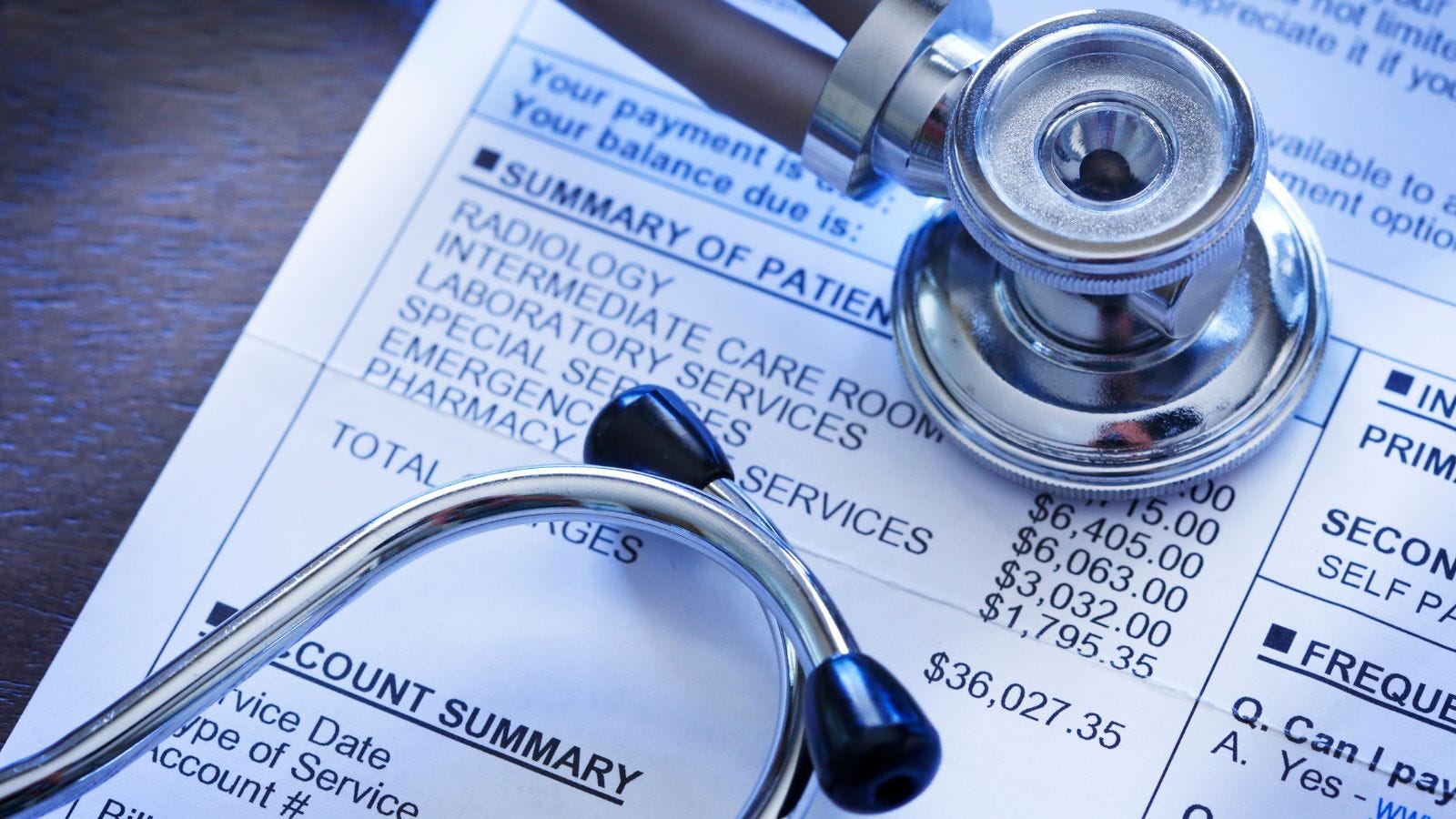
The Trump/Republican changes to Medicaid passed in House Resolution 1 (H.R. 1) back in July 2025 traded trillions of dollars in tax breaks for wealthy Americans and corporations at the expense of budget cuts to food, health care, and environmental programs for hundreds of millions of Americans.
The Republican budget also exploded America’s national debt by $3.4 trillion – another $9,941.52 in new debt to be paid off by every man, woman and child in America.
So, what’s the impact of these Republican budget changes on the nearly 1 million Connecticut residents who rely on Medicaid for some or all of their medical care? In short, it’s not good.
First, what is Medicaid? Medicaid is the public health insurance program for people with low income, including children, some adults, pregnant women, and people with disabilities. It was created in 1965 along with Medicare, which is the federal program that covers adults over age 65 and some people with disabilities.
Since 1997, Medicaid in Connecticut has been known as “HUSKY” – the “Healthy Start, Healthy Future for Kids.” HUSKY A covers families, pregnant people, and children, HUSKY B is the state’s Children’s Health Insurance Program (CHIP) for uninsured kids under age 19 and pregnant people whose families earn too much for Medicaid but who still need affordable health coverage, while HUSKY C & D cover adults, including those under 65, by way of Connecticut choosing to expand the Affordable Care Act.
According to The Century Foundation, Connecticut is one of the states in the bullseye of Republican cuts to Medicaid. Connecticut is one of the Top 10 states in America for its percentage of elderly population relying on Medicaid (13.7%); Connecticut also has high rates of Medicaid enrollment for children (30.1%) and people battling a substance abuse disorder (10.3%).
When the Republican budget cuts to Medicaid were announced last July, The Connecticut Health Foundation said “This legislation will set us back and leave thousands of Connecticut residents uninsured. It will lead more people to go longer without medical care, expose more state residents to medical debt, harm the stability of our hospitals and other health care providers, and will cost our state hundreds of millions of dollars. It will not make health care more affordable or easier to navigate for anyone and will exacerbate existing disparities.”
So how exactly are Republicans and President Trump hurting Connecticut residents who rely on Medicaid for their healthcare? According to The Connecticut Health Foundation, it all boils down to more medical costs and less health care coverage.
Already took effect in 2025
Republicans prohibit states from increasing provider taxes on hospitals and nursing homes, which generates matching funds from the federal government that Connecticut then returns to those hospitals and nursing homes. The new law reduces Connecticut’s ability to raise money from the federal government to help pay for Medicaid.
Republicans prohibit Planned Parenthood from receiving any federal funding from Medicaid. Planned Parenthood serves about 51,000 patients in Connecticut every year, 46% of whom are on Medicaid. Governor Lamont and Democrats recently approved using $10.2 million from an emergency fund set aside to combat Republican budgets cuts to give to Planned Parenthood; Connecticut Republicans vehemently opposed the measure.
Taking effect in 2026
Some non-citizens (not “illegal aliens”) will lose Medicaid and CHIP coverage, including refugees, people granted asylum, sex trafficking victims, and humanitarian parolees.
Taking effect in 2027
Connecticut must require adults under age 65 with no minor children to spend at least 80 hours per month working or participating in other community activities – and they must report those hours to maintain coverage.
Connecticut must re-determine Medicaid eligibility every 6 months for about 300,000 people covered by HUSKY D, instead of just once a year.
The new law shortens the Medicaid retroactive coverage period from 90 days to 30 days for people who are eligible for HUSKY D, and to 60 days for everyone else, likely resulting in increased personal medical debt.
Taking effect in 2028
Right now, people covered by HUSKY don’t have to pay when they get health care. Under the Republican budget changes, Connecticut is required to impose cost sharing of up to $35 per service on people covered by HUSKY D whose incomes are above the federal poverty level.
By Lawrence Cook