

In Focus: How Private Equity Drives Up Housing Costs

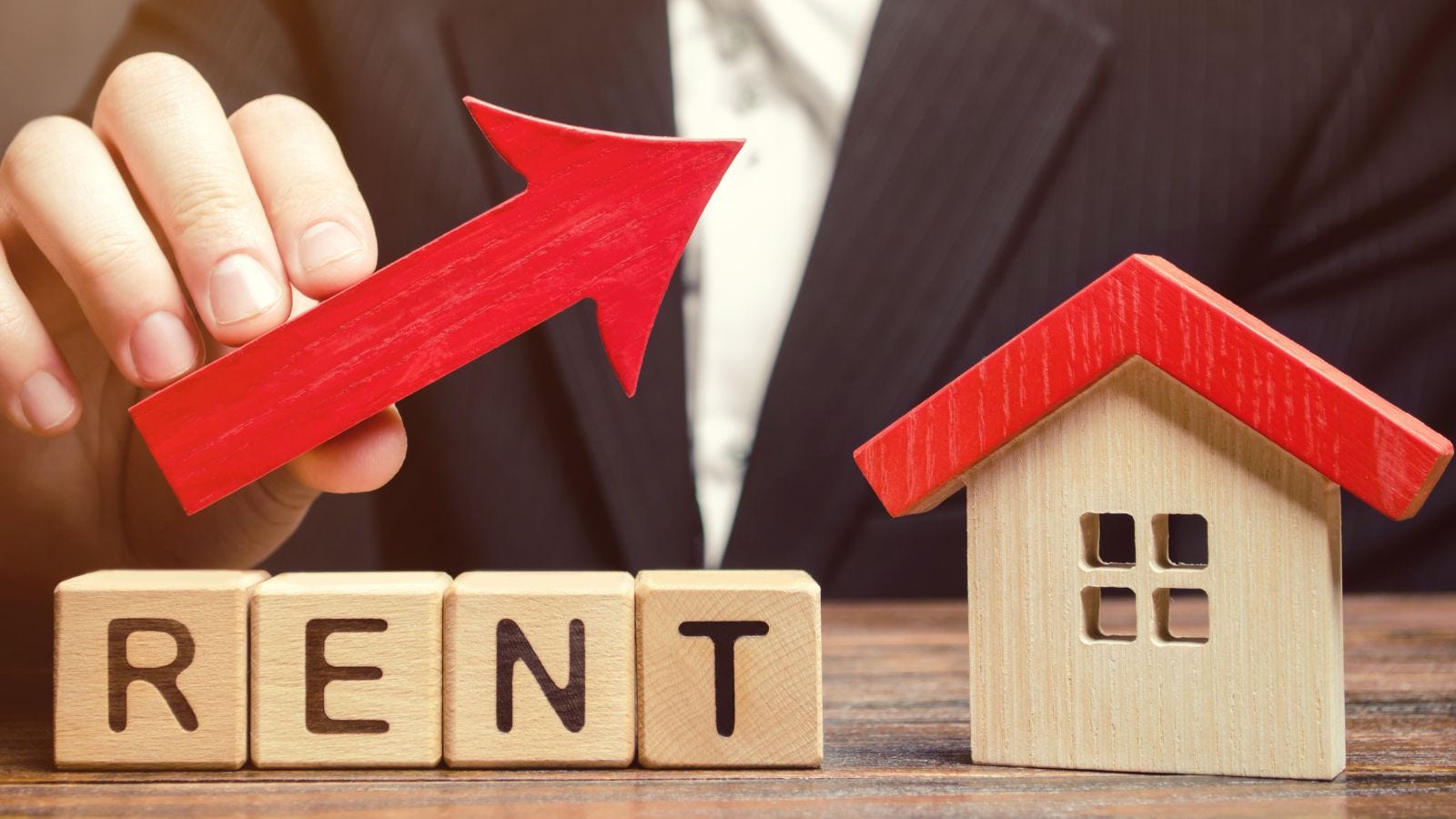
With more homes and apartment buildings owned by private equity firms, a growing number of reports are documenting their impact: rents are rising, families are being priced out of homeownership, and increasing top-down pressure exacerbates housing crises.
It’s hard to get a definitive total for just how much housing stock in the United States is directly owned by private equity, but the percentages have been rising for some time. In 2022, ProPublica reported that private equity firms easily own more than a million apartments across the country, while The Atlantic found that corporations own one in every 11 residential parcels of land in a review of 500 urban counties. In some locations, private equity owns more than 20 percent of available properties.
“Private equity firms often act like a corporate version of a house flipper,” ProPublica said. “They seek deals on apartment buildings, slash costs or hike rents to boost income, then unload the buildings at a higher price.”
The results are often dire for residents. Horror stories, some of which were seen in Connecticut this year, include new buyers of apartment buildings jacking up rents by hundreds of dollars, implementing expensive new fees or abandoning maintenance and repairs around a property. In some cases, new landlords will even force tenants out of their apartments, seeking new renters willing to pay higher prices.
As ProPublica noted, these goals often brush up against the reality of apartment dwellers, who have their livelihoods strained or their hearts broken when the price of staying in their homes swells, sometimes to impossible levels.
Another impact is more nuanced, but is just as painful. According to researchers interviewed by The Atlantic, significant swaths of private equity money is moving into lower-income neighborhoods, effectively pulling starter homes off the market, forcing people in those communities to pay higher rent and worsening racial gaps in wealth and homeownership.
As one example, in 2021, four in five homebuyers in a predominantly Black neighborhood in Cleveland, Ohio used cash or non-traditional finance options to complete their purchases, compared to 20% who took out mortgages. That implies the vast majority of purchases in the community were made from outside the community.
Those disparities are worse in Baltimore, Maryland, where two predominantly Black neighborhoods saw 13% of property purchases made by owner-occupants, while a majority-white neighborhood nearby saw more than 80% of home sales made by owner-occupants.
That’s not all – private equity landlords are also more likely to threaten to evict their tenants and follow through on their threats, as well as more likely to reduce focus on maintenance and upkeep for residents. That means tenants’ security and long-term ability to stay in their homes falls alongside the overall quality of a property, slowly degrading living there as a whole.
A growing concern regarding private equity’s presence in housing involves mobile homes and mobile home parks, according to The Conversation. Correlating data shows that buyouts of mobile home parks are growing, rents in mobile home parks have grown by 45% in the last decade, and upon a park’s sale, eviction rates grow significantly the following year. More than 20 million Americans live in mobile or manufactured homes, with the latter term growing in use – an increasing number of these homes are not easily mobile, with more than 90% never moving from their original site.
That makes the prospect of new ownership an increasing concern when, while mobile home owners purchase the rights to their properties themselves, the private equity ownership takes possession of the land underneath it.
With 23 private equity firms now owning more than 1,800 mobile home parks in the United States, that’s a ticking time bomb for countless homeowners, who in some states have as little as three weeks to abandon their properties if evicted.
The summation: while private equity isn’t responsible for current housing crises around the country, its growing presence in housing is making those crises much worse.
By Joe O’Leary