

In Focus: How Connecticut is Fighting to Make Prescription Drugs More Affordable
Part 4 of Capitol Dispatch's ongoing 'In Focus' series on Affordability

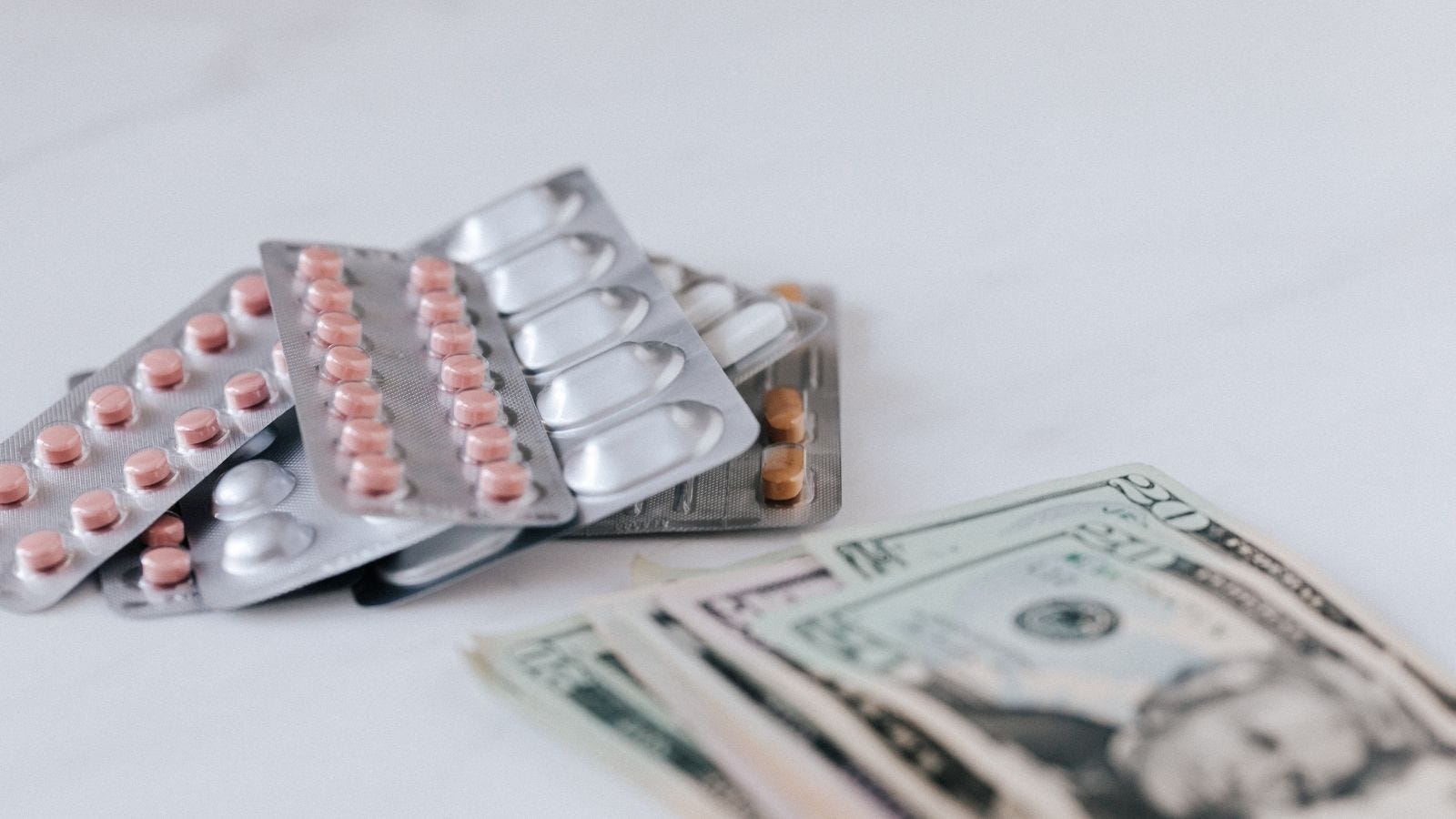
While patients across the country regularly report difficulty affording their prescription drugs, Connecticut has begun to take several creative steps to fight back and make medications more affordable for its residents.
The nation’s prescription drug affordability problem is well-documented. According to a 2024 study done by the Biden Administration’s Department of Health and Human Services, in 2022 U.S. prices for brand name and generic drugs were 2.78 times higher than prices in comparable countries. When looking at only brand name drugs, U.S. prices were at least 3.22 times higher, even with adjustments for rebates.
Here in Connecticut, the figures paint a stark picture. A study of more than 1,300 Connecticut adults from the Healthcare Value Hub found that over half (55%) experienced at least one healthcare affordability burden in the past year and over 1 in 4 (28%) of those surveyed with household incomes under $50,000 had rationed medication in the last 12 months due to cost.
Lower-income respondents and respondents with disabilities are more likely to go without care and incur debt due to healthcare costs across party lines, respondents express strong support for government-led solutions.
Prescription drug affordability is not only an economic issue, but a public health one. New research from Wakely that surveyed patients on Medicare Advantage plans, found that lower income residents are more likely to take medications as prescribed if there were no or lowered copays.
States are somewhat limited in their ability to push back against drug manufacturers, distributors, PBMs and the host of corporate entities that are driving up costs for consumers, but Connecticut is fighting back.
In 2025 State Senator Matt Lesser led passage of legislation that makes Connecticut the first state to explore generic production of name-brand GLP-1 weight loss drugs like Mounjaro and Ozempic. Connecticut is also the first state in the country to cap generic drug price increases.
While President Donald Trump considers affordability “a Democrat scam,” and HHS Secretary Robert F. Kennedy Jr. is focused on promoting beef tallow and vaccine misinformation, we can expect little federal leadership on an issue that affects Americans of all ages, income levels and demographics.
The federal government has even taken several steps to walk back consumer protections surrounding healthcare affordability, and has slashed access to Medicaid for many Americans. Between striking down a Biden-era ruling that prevented creditors from considering medical debt, to letting tax credits expire leading to unsustainable premium hikes for those purchasing healthcare on the exchange, to passing sweeping cuts to Medicaid - states are on their own in the fight to protect patients.
By Garnet McLaughlin
Check out our previous entries in Capitol Dispatch’s ongoing ‘In Focus’ series on Affordability:
-Part 1: Trump’s Tariffs Drive Up Prices for Holiday Gifts and Groceries
-Part 2: Trump’s Affordability Crisis Forces Middle Class Families to Take on Debt
-Part 3: How Republican Tariffs are Starving American Food Systems